Heat is something we deal with in almost every industrial system. Some processes need to get hot, some need to cool down. Handling this heat safely and efficiently is not easy without the right equipment. That’s where a Heat Exchanger comes in. It may not be flashy, but it quietly does its job in industries like power, chemicals, food, and HVAC. If you have ever wondered what makes these exchangers so common, this guide will help you understand them in simple words.
What is a Heat Exchanger?
It is basically a device that transfers heat from one fluid to another without mixing them. The fluids can be liquids or gases. The hot fluid loses heat, and the cold fluid gains it. That’s it. Simple principle, but very useful.
Think of it like a thin wall. On one side, you have something hot, and on the other, you have something cold. The heat “soaks” through the wall from the hot side to the cold side. This allows you to cool down a boiling chemical or heat up a cold liquid without contaminating either one. It’s all about moving energy from where you don’t want it to where you do.
Common Types of Heat Exchangers
Depending on the job, these machines come in many different shapes and sizes. Here are the three you’ll see most often:
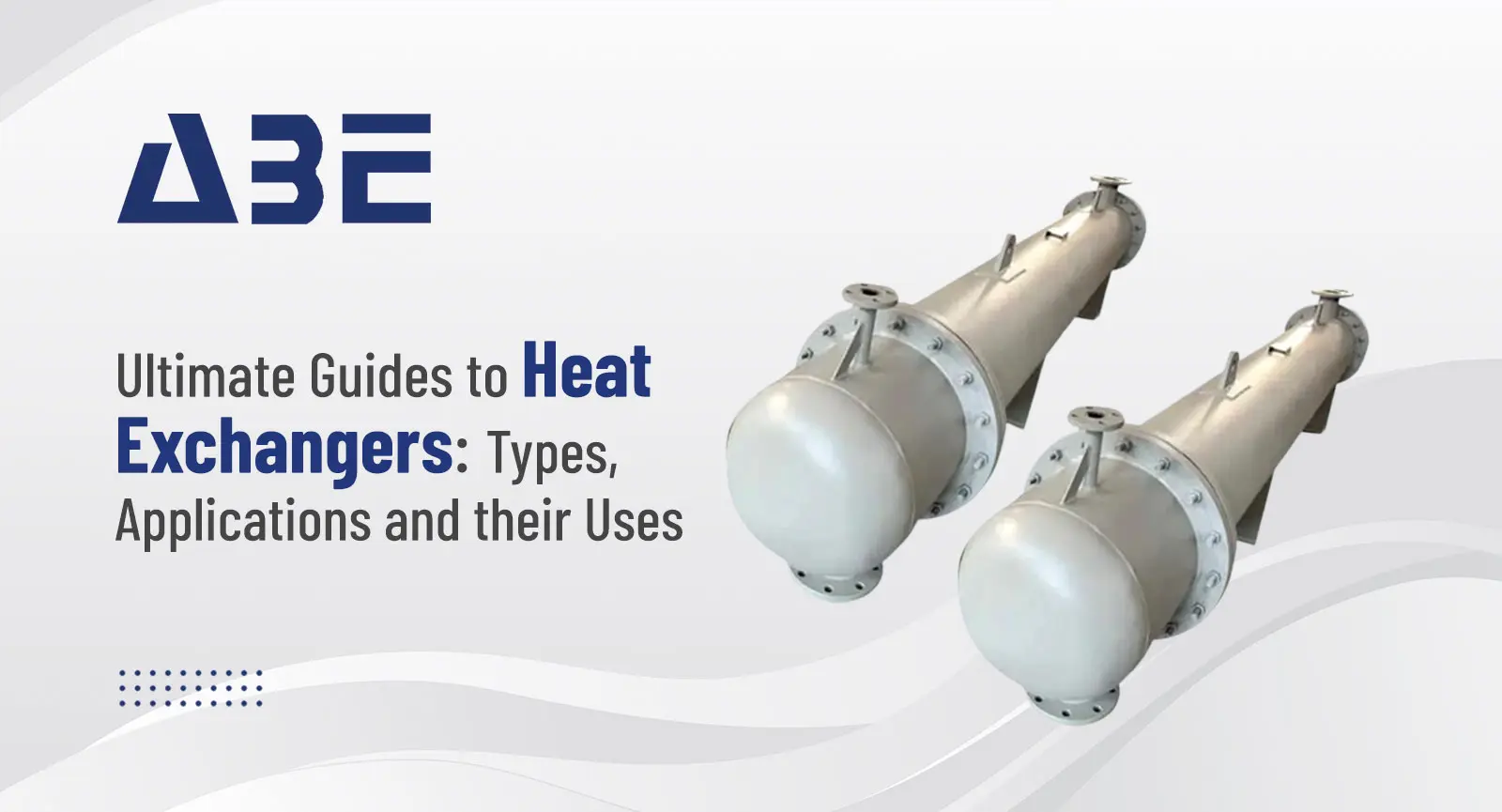
- Shell and Tube Exchanger: It looks like a large cylindrical tank (the shell) with a bunch of small pipes (the tubes) running through the middle. One fluid flows through the tubes, and the other flows over them inside the shell. They are incredibly tough and can handle very high pressure.
- Plate Heat Exchangers: Imagine a stack of metal plates with small gaps between them. The hot and cold fluids flow through alternating gaps. Because the plates have a lot of surface area, these are amazing at transferring heat quickly in a very small space.
- Finned heat exchanger: This type of exchanger utilizes fins to improve the exchange surface. In most cases, the cooling fluid is ambient air, such as in automobile radiators or computers.
- Air Cooled Heat Exchanger: These look a bit like giant car radiators with big fans. They use the air around them to cool down the liquid inside the pipes. These are perfect for places where water is scarce.
Applications of Heat Exchangers
- Food and Dairy: Before milk gets to your fridge, it has to be pasteurized (heated to kill bacteria and then quickly cooled). These exchangers do this perfectly without ruining the taste.
- Chemical Plants: Many chemical reactions create a ton of heat. If that heat isn’t managed, things can get dangerous. Exchangers keep the temperature exactly where it needs to be.
- Oil Refineries: Turning crude oil into gasoline requires massive amounts of heating and cooling at different stages.
- Power Plants: Whether it’s nuclear or coal, power plants use these devices to turn water into steam to spin turbines, and then turn that steam back into water to start the cycle over.
- HVAC Systems: Your home’s air conditioner uses an evaporator and a condenser, both are types of heat exchangers, to pull heat out of your house and dump it outside.
Conclusion
A Heat Exchanger keeps processes safe, improves efficiency, and saves energy. From factories to homes, their presence is everywhere. If you are looking for a reliable heat exchanger, ABE & HEX India Pvt. Ltd. provides customized solutions according to your requirements. We provide high-quality products for a wide range of applications. Contact us now for more information about our products.

Abe & Hex India
Since 2009, ABE & HEX has been manufacturing premium quality heat exchangers. We fabricate high-grade products to meet different industrial requirements.

