All Blog Posts

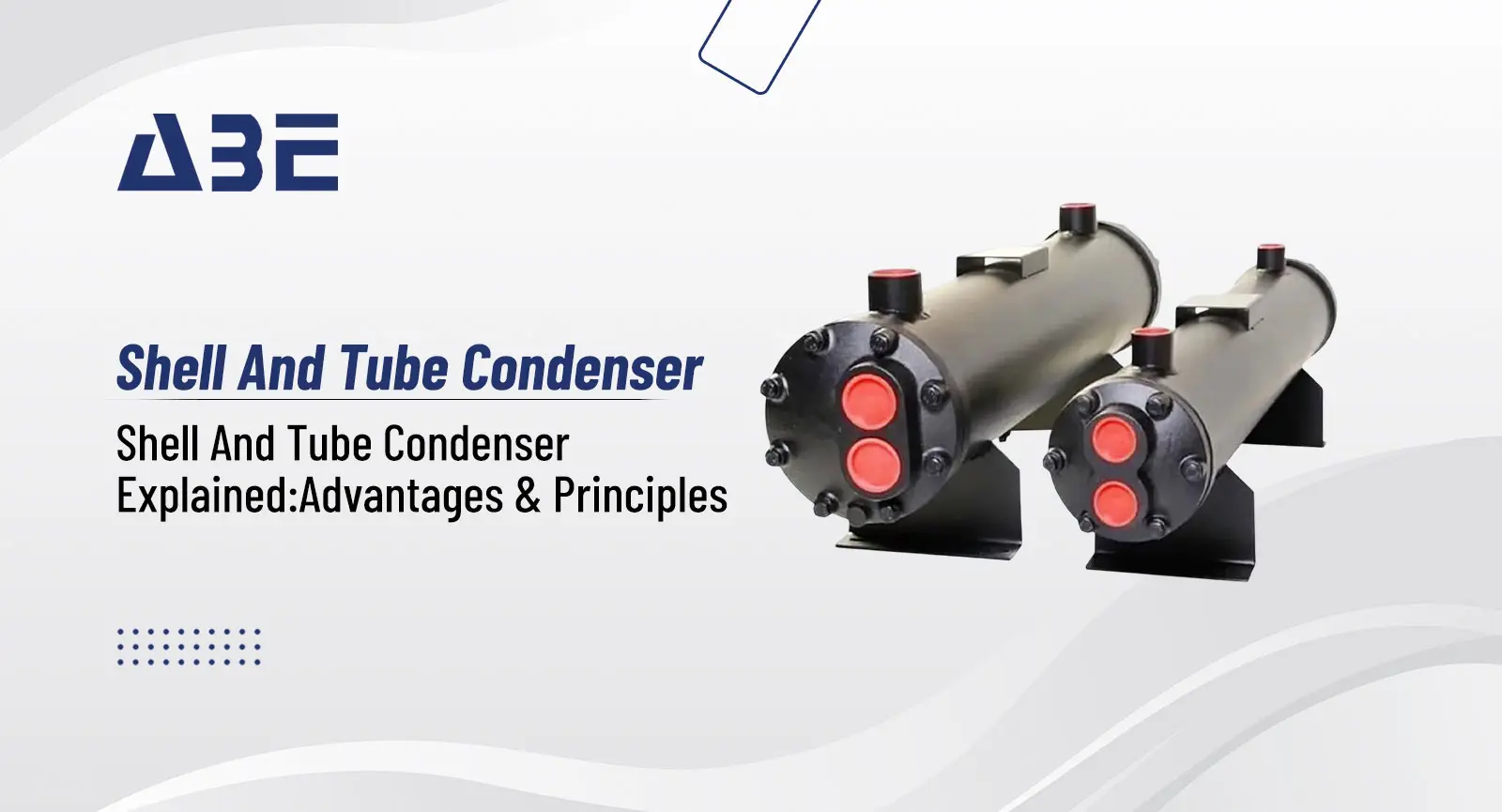
Shell And Tube Condenser

Shell And Tube Condenser Explained: Advantages & Principles 

When a system is working with heat, someone has to take care of that heat; things don’t run properly for long. That’s where a shell and tube condenser is helpful. It simply helps cool down hot vapour and turn it back into liquid, so the process can keep going without stopping. Many people prefer this because it is very easy to work with and there are no complications while working. You’ll usually see it in places where work runs continuously …
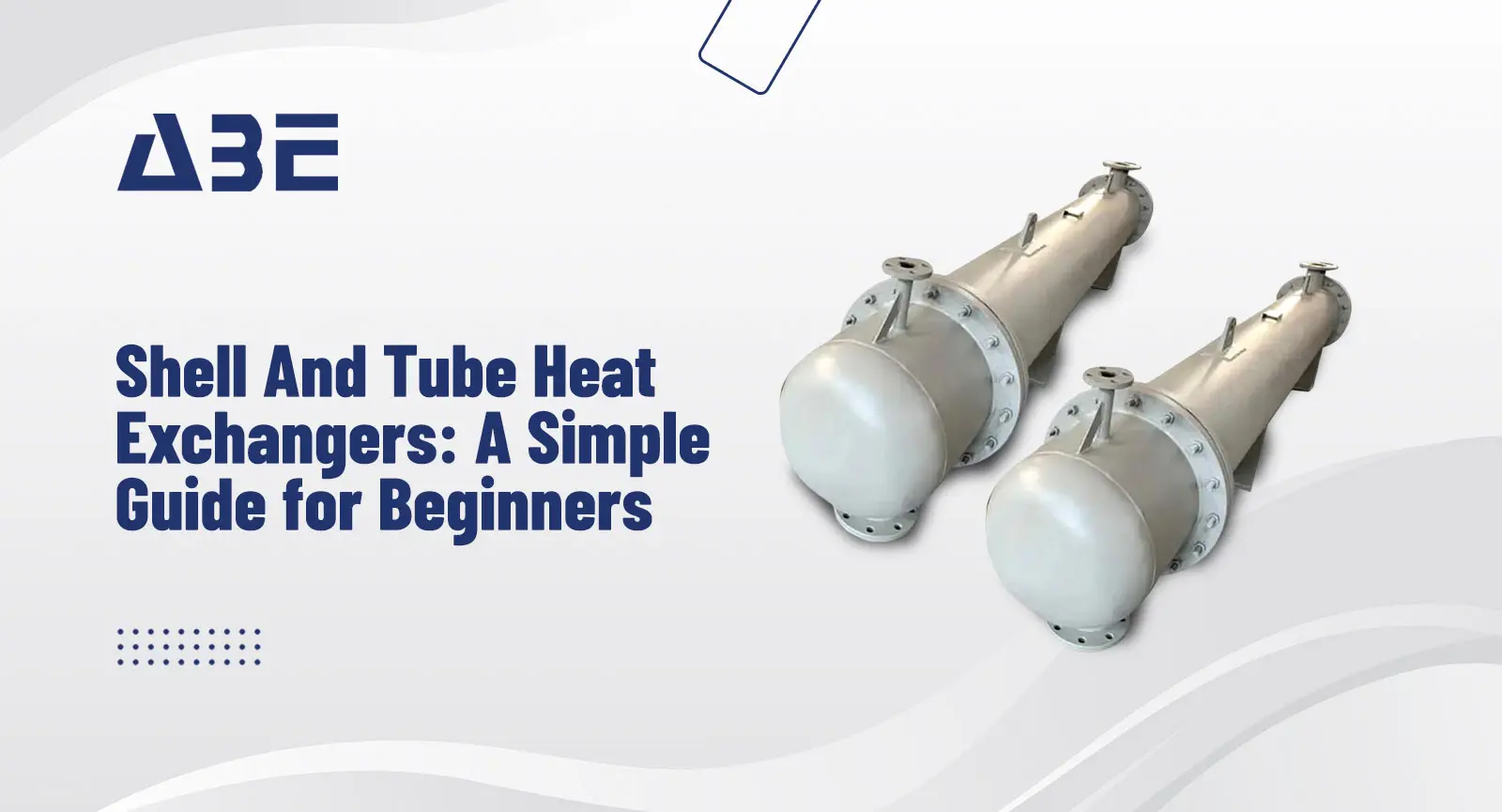
Shell And Tube Heat Exchanger

Shell And Tube Heat Exchangers: A Simple Guide for Beginners

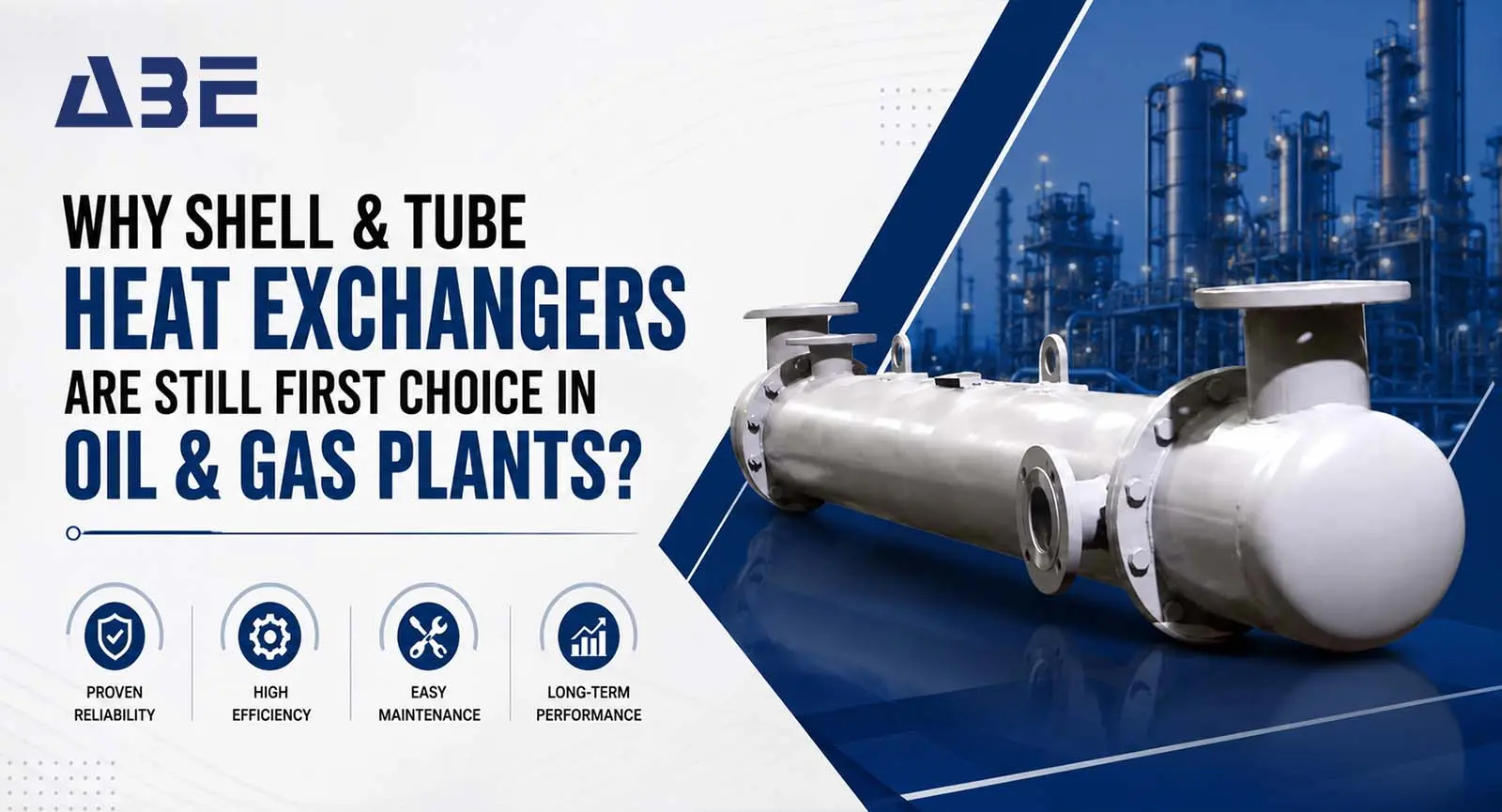
In many industries, controlling temperature is an important part of the production process. Machines, chemicals, and fluids often generate heat, and this heat needs to be managed properly. If the temperature is not controlled, it can affect product quality, safety, and efficiency. One of the most commonly used equipment for heat transfer in industries is the shell and tube heat exchanger. It is known for its strong design, reliable performance, and ability to handle high pressure and temperature. Because of …
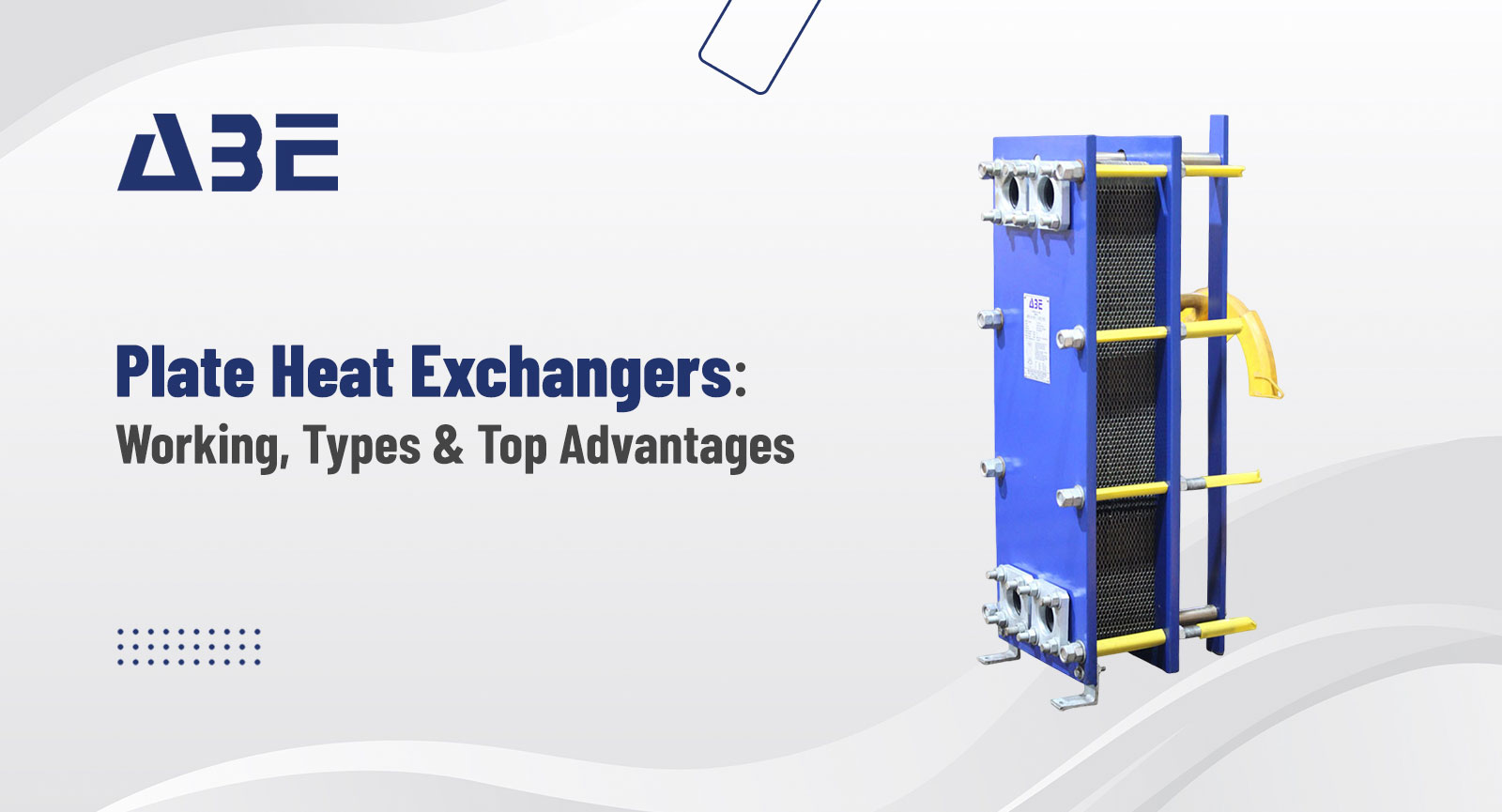
Plate Heat Exchanger

Plate Heat Exchangers: Working, Types & Top Advantages

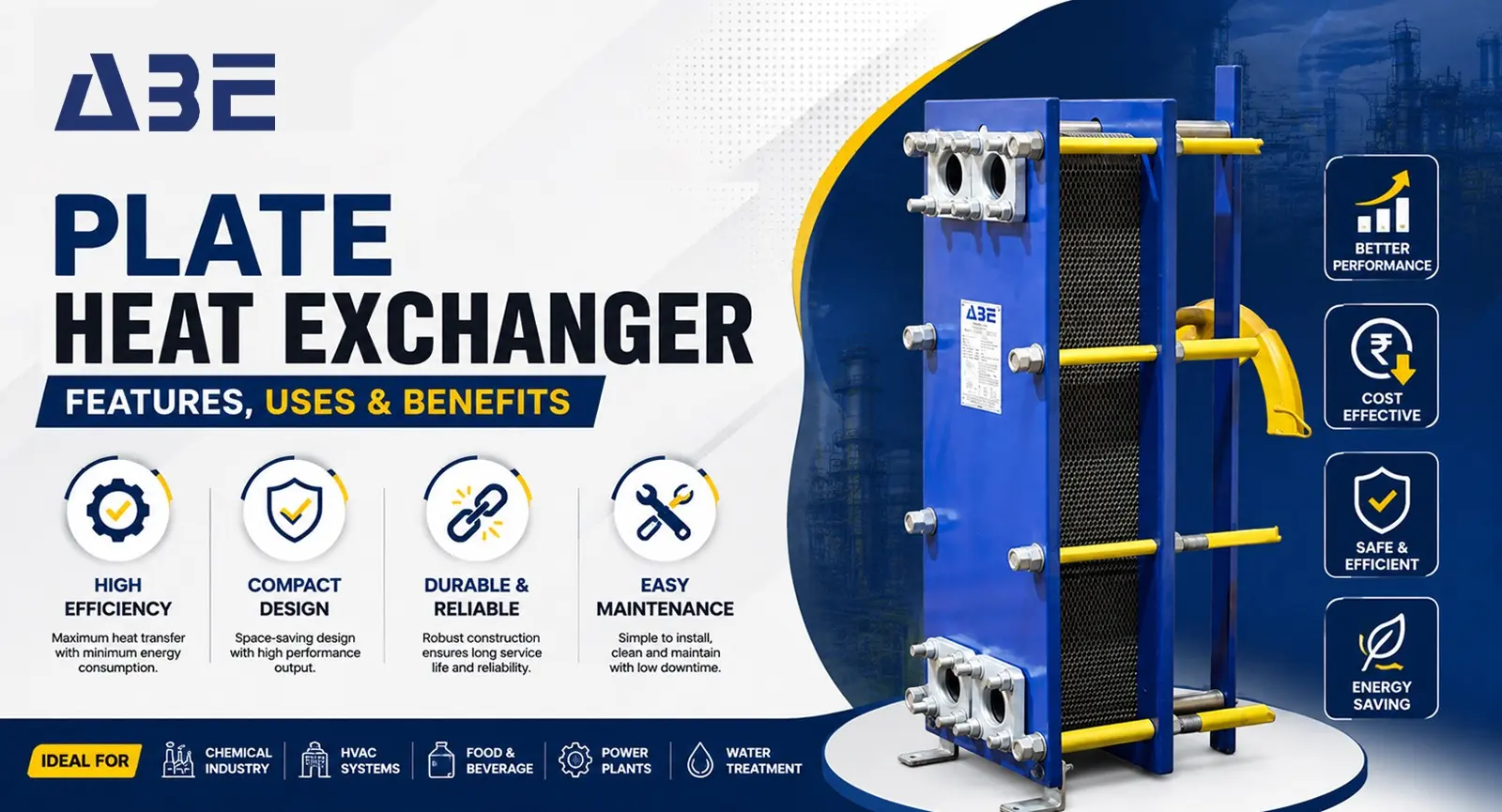
In a big factory, if the temperature isn’t perfect, things get dangerous and expensive. That’s why most places are throwing out their old, giant machines and switching to a plate heat exchanger. They are smaller, work better, and save a lot of money on power bills. These units use a stack of thin metal plates to swap heat between two fluids. Because the fluids are spread across a massive surface area in such a tight space, you get a serious …
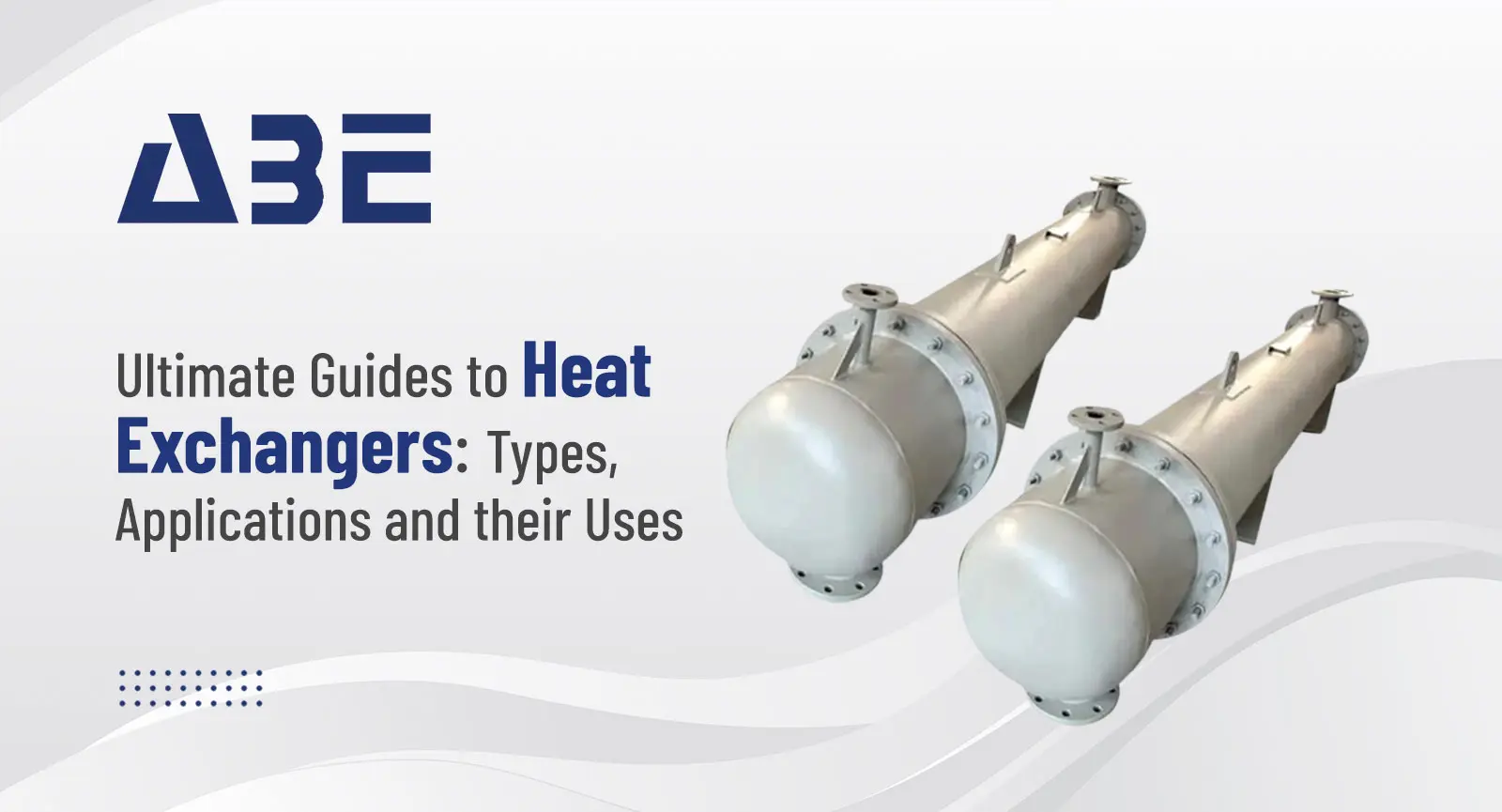
Heat Exchanger

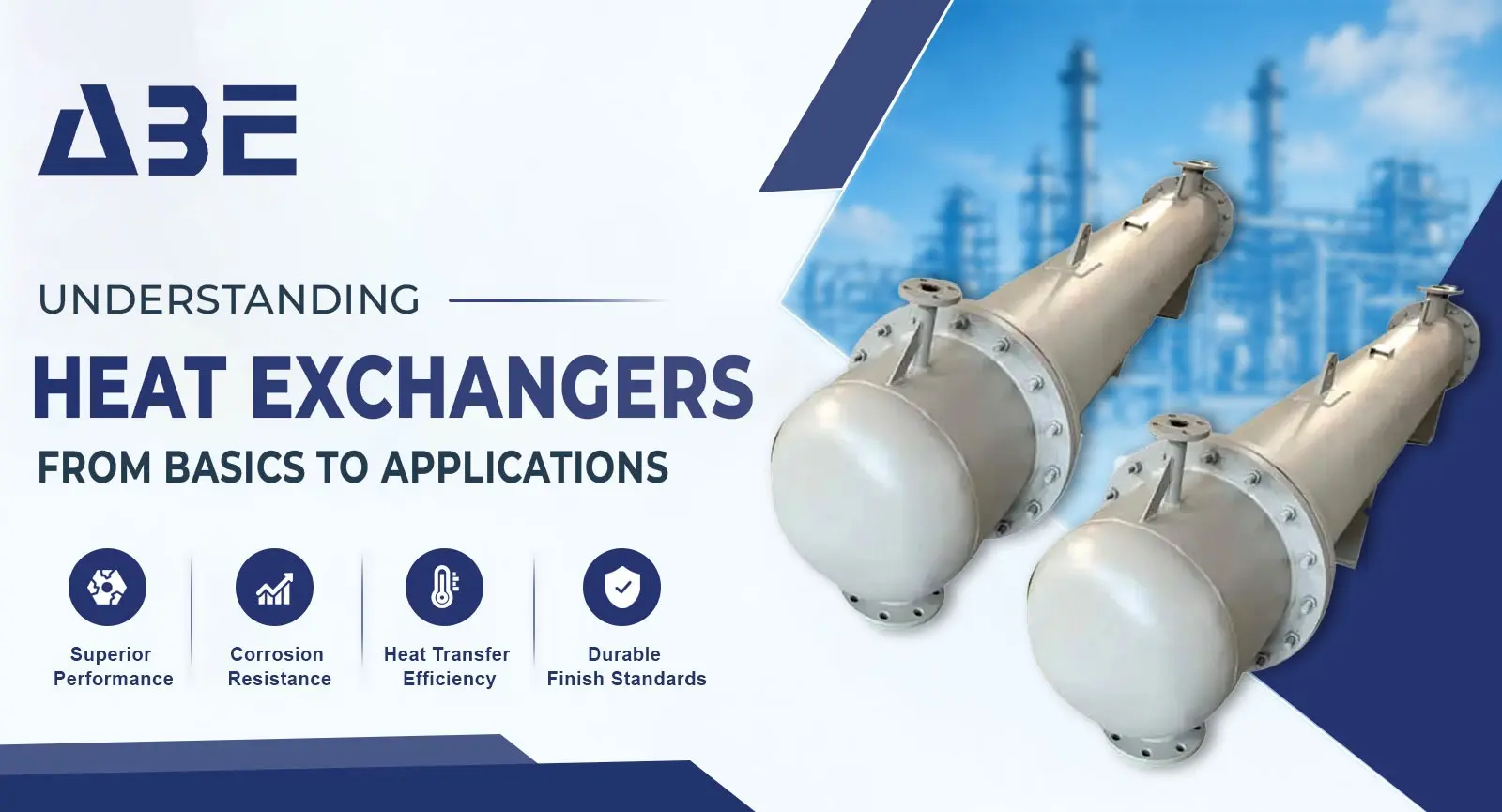
Ultimate Guides to Heat Exchangers: Types, Applications and their Uses

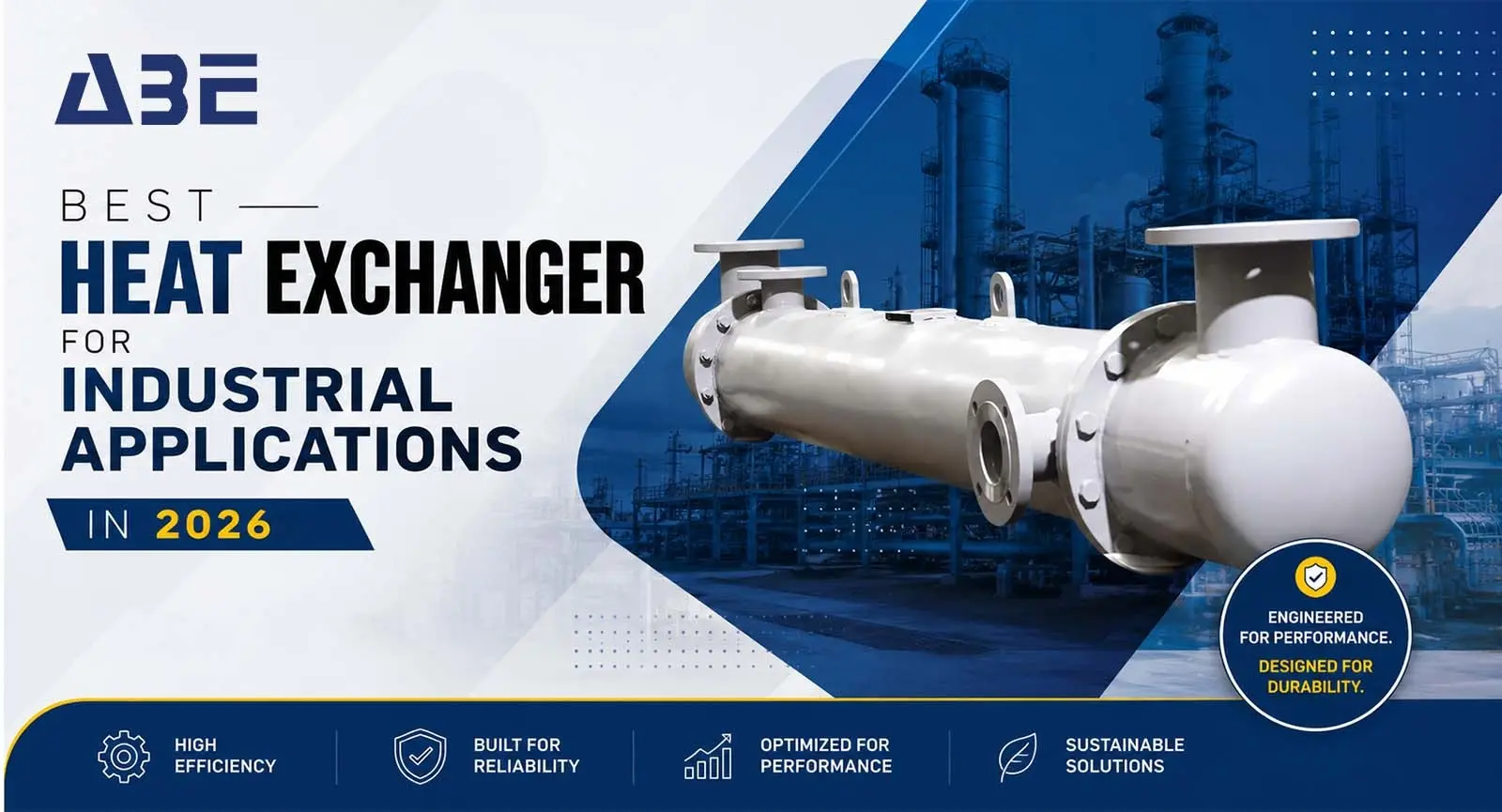
Heat is something we deal with in almost every industrial system. Some processes need to get hot, some need to cool down. Handling this heat safely and efficiently is not easy without the right equipment. That’s where a Heat Exchanger comes in. It may not be flashy, but it quietly does its job in industries like power, chemicals, food, and HVAC. If you have ever wondered what makes these exchangers so common, this guide will help you understand them in …
Heat Exchanger

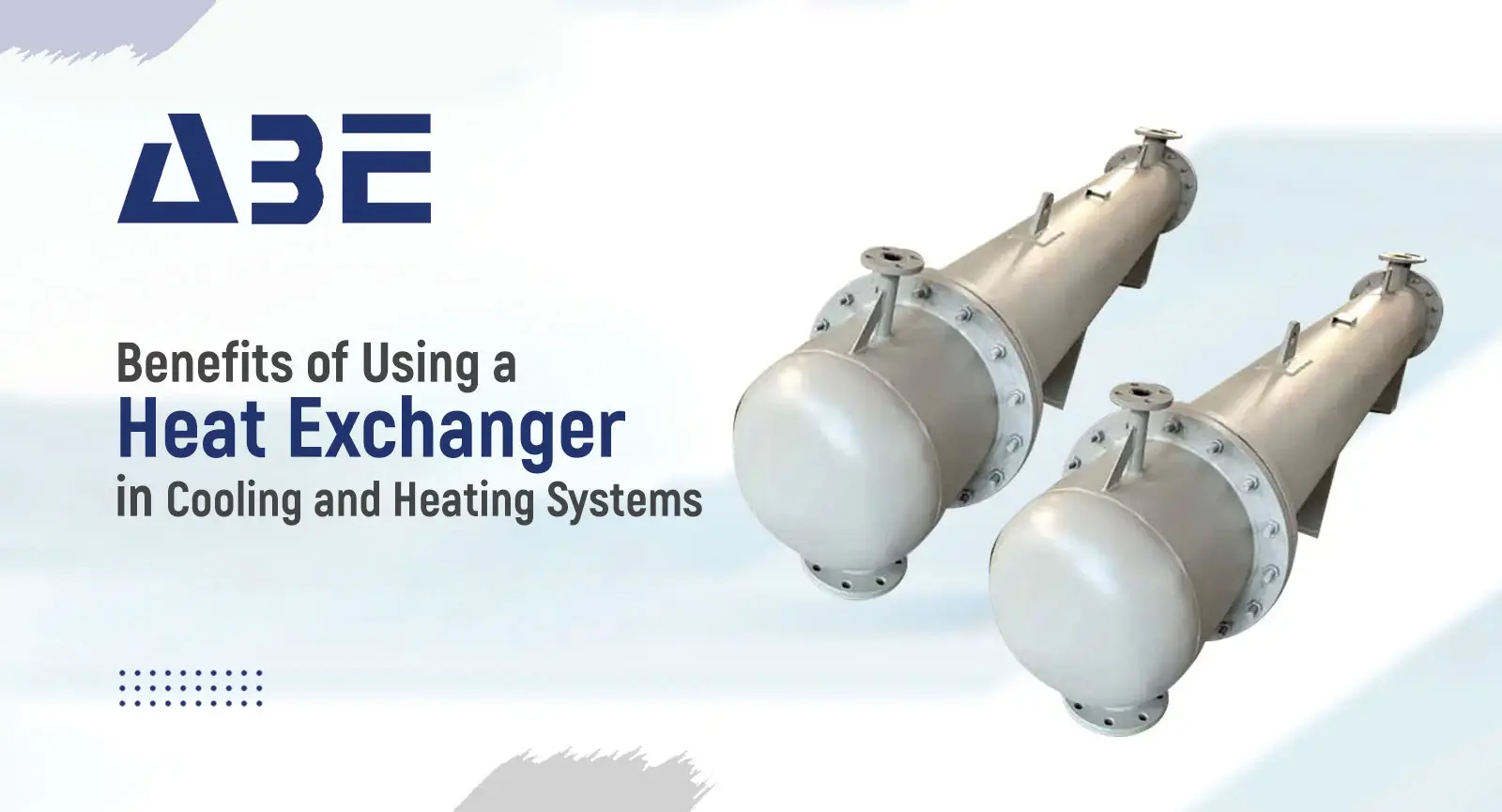
Benefits of Using a Heat Exchanger in Cooling and Heating Systems

Heat exchangers are designed to transfer heat from one medium to another. These media might be gases, liquids, or a mix of the two. The media may be separated by a solid wall to avoid mixing, or they may be in direct touch. These exchangers must deliver heating and/or cooling to satisfy a process need. Typically, the system receives direct heat input from a furnace or steam. As a result, any inefficiencies in heat transmission at exchangers will necessitate a …
Industrial Equipment & Machinery

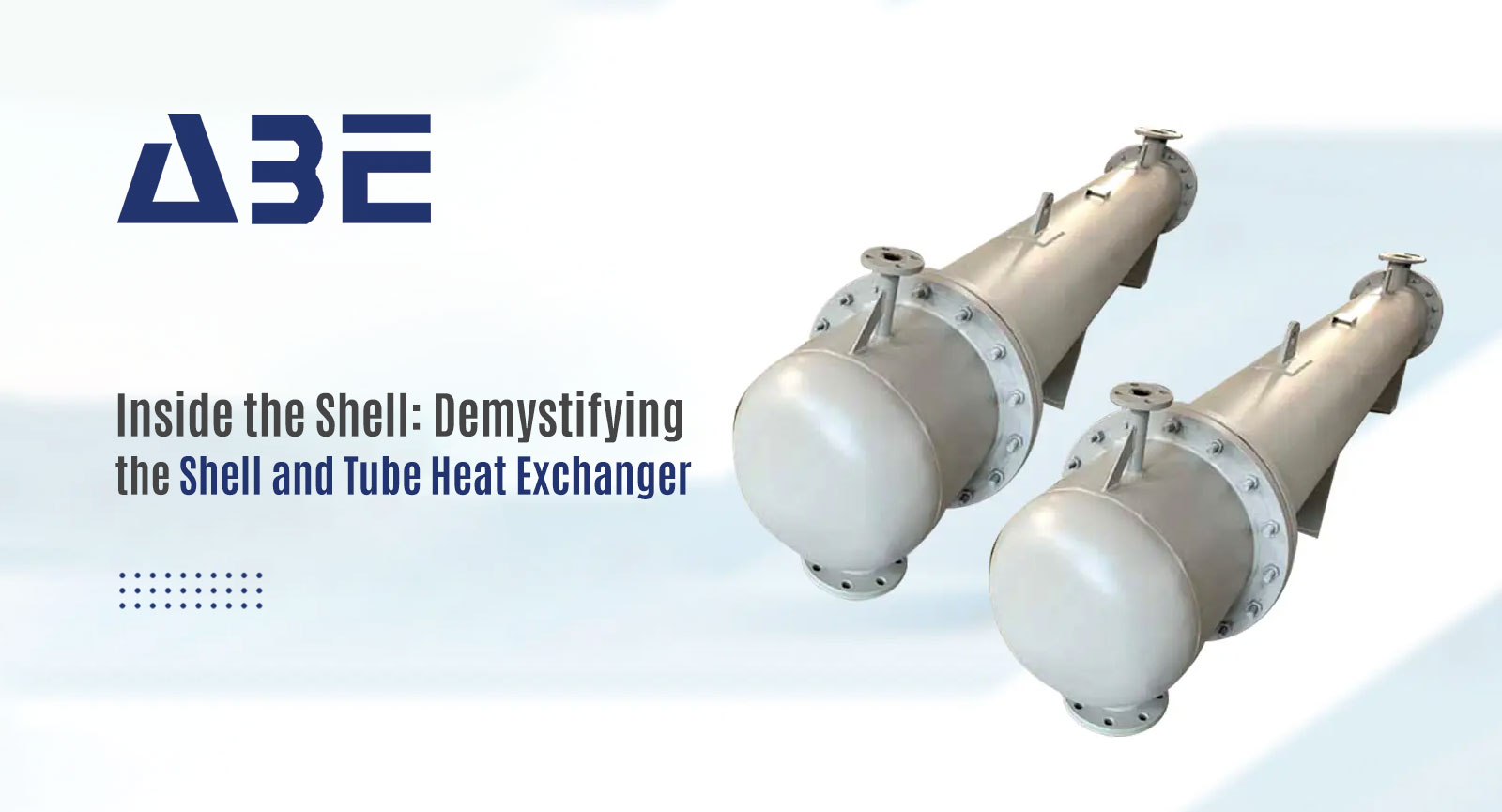
Inside the Shell: Demystifying the Shell and Tube Heat Exchanger

A shell and tube heat exchanger is one of the most common types of heat exchangers that has a shell (a huge pressure vessel) and a bundle of tubes within. The tubes are typically constructed of metal and placed in a parallel pattern within the shell. Two fluids can exchange heat: one flows over the exterior of the tubes and the other flows through them. Fluids can be single or two-phase, and they can flow in parallel or cross/counterflow. The …
Industrial Equipment & Machinery

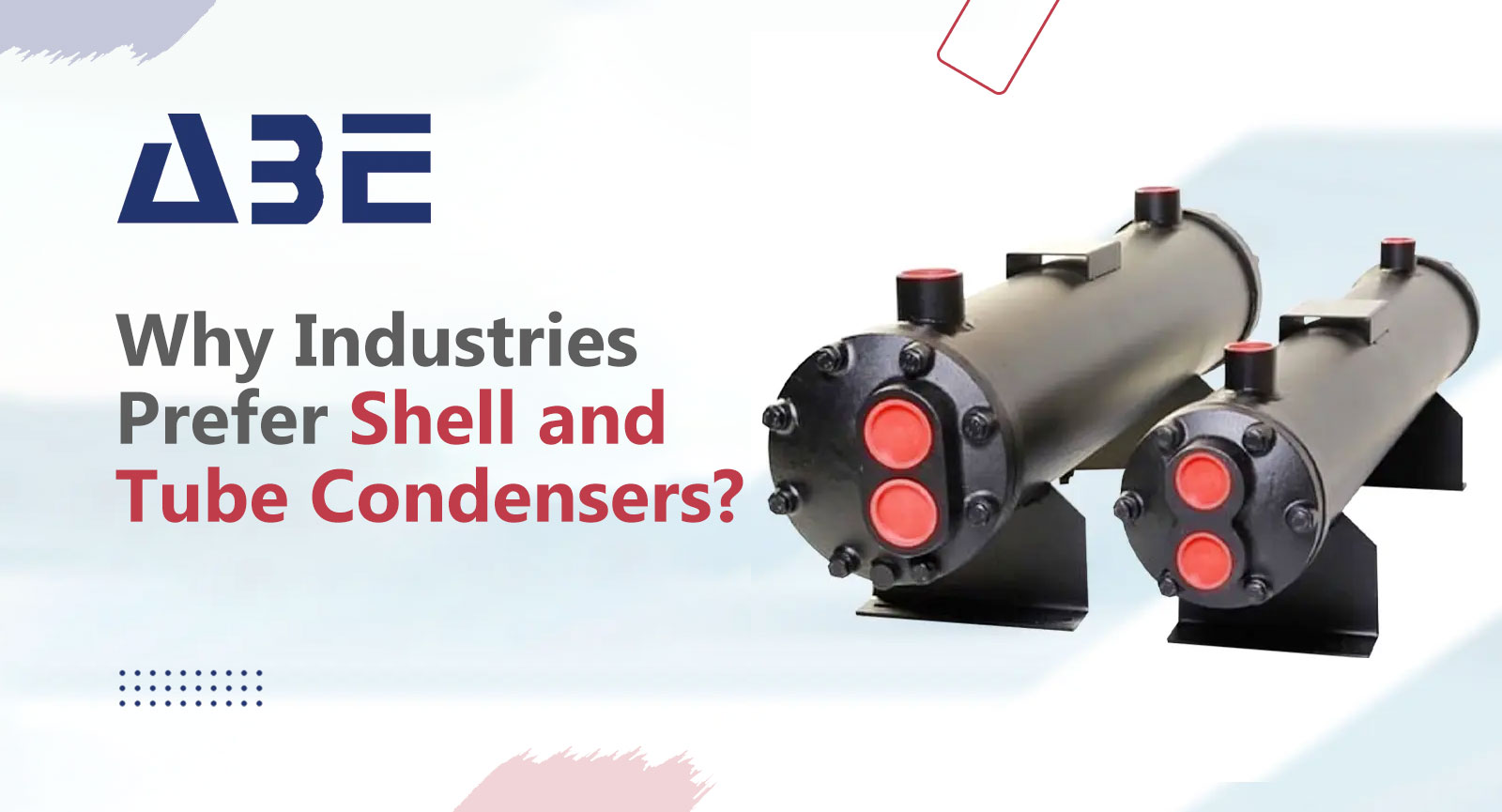
Why Industries Prefer Shell and Tube Condensers?

A shell and tube condenser is a heat exchanger system that transfers heat from one fluid to another. It consists of a cylindrical shell to contain a bundle of tubes through which both fluids flow. This machine is designed to increase the heat exchange on the large surface. It is an efficient, reliable, and versatile heat-transferring industrial option used in HVAC systems, power plants, chemical processing units, and refrigeration systems. Now you must be thinking, why do most industries prefer …
Industrial Equipment & Machinery

Benefits of Using a Plate Heat Exchanger in Industrial Systems

The Plate Heat Exchanger transfers the thermal energy between two or more fluids using a stack of corrugated metal plates. Both hot and cold fluids flow through these gaskets, which facilitates heat transfer without mixing of the fluids. The compact design, efficiency, and versatility are the benefits of the plate heat exchanger, to name a few. Here is why you should use a plate heat exchanger in the industrial system. What is a Plate Heat Exchanger? As already told above, …
Shell And Tube Heat Exchanger

A Guide to Shell And Tube Heat Exchanger Selection Criteria

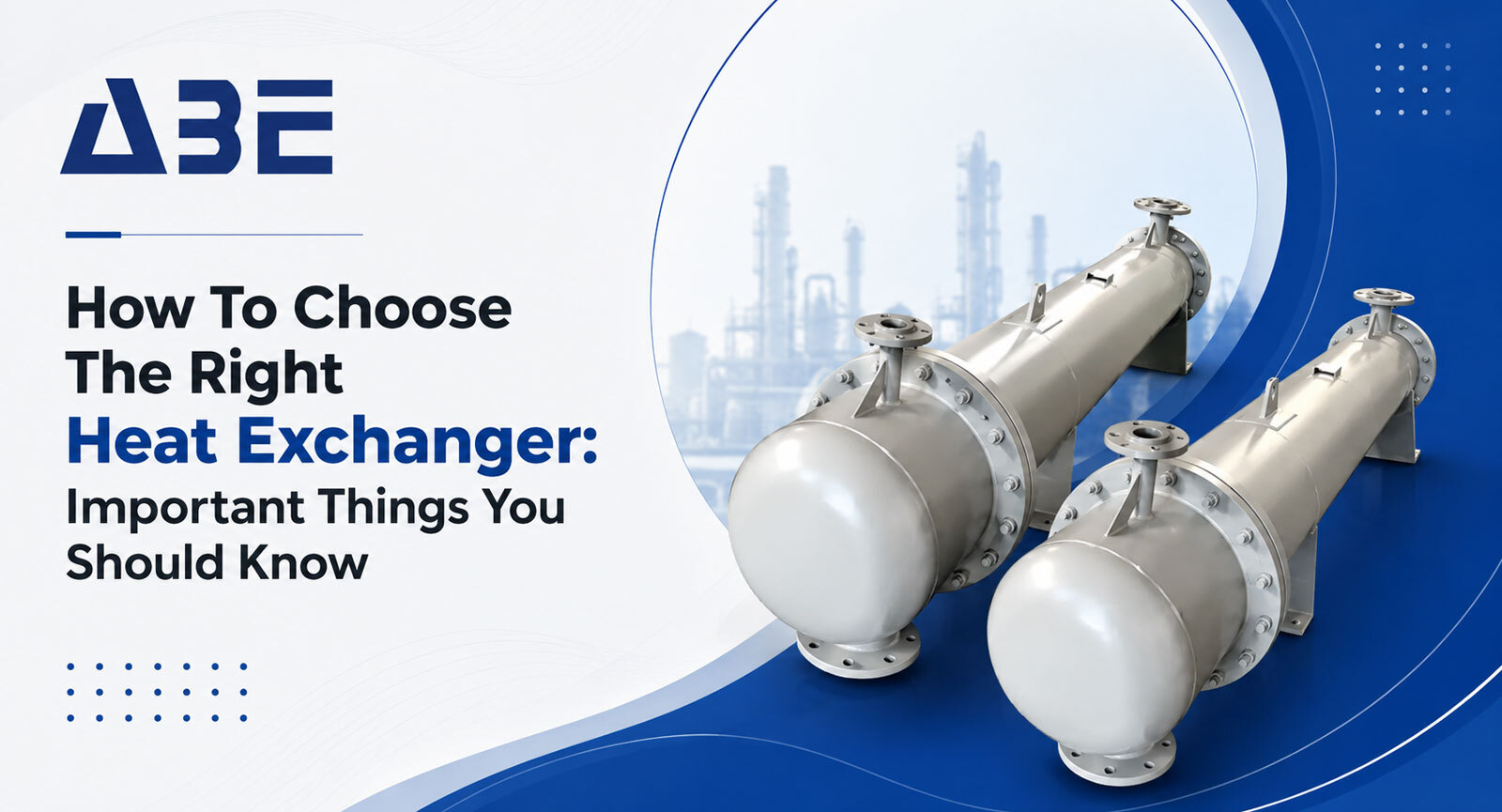
A shell and tube heat exchanger is an essential device that is used in many industries. This device is used to transfer heat between two fluids, usually without allowing them to mix. When selecting the appropriate tubing sizes is crucial for optimal performance. If you are considering buying heating equipment, consider various factors like the application requirements, pressure drop, and flow characteristics among others. In this post, we will dive into the details of how to select the best shell …
Plate Heat Exchanger

Top 7 Benefits of Plate Heat Exchanger

How often do you think about the influence of heating and cooling solutions on your industrial operations? If you are always looking for ways to improve efficiency and minimize downtime, plate heat exchangers are the solution. They are adaptable, functioning in a variety of sectors such as chemical, petrochemical, power generation, and maritime to control temperatures – whether cooling water or processing fluids in your facility or heating it.  Here are the top seven benefits plate heat exchangers add to …
Shell And Tube Heat Exchanger

Shell and Tube Heat Exchanger – Types and Process

The shell and tube heat exchanger is the equipment used in industries to exchange heat between two or more fluids. The machinery consists of several tubes mounted inside the cylindrical shell. Mostly two fluids can exchange heat. One flows over the outside of the tube, while the second one flows through the tube. The fluid can be a single or two phases and can flow in a parallel or cross/counter flow arrangement. This machinery is highly known for its efficiency, …
Plate Heat Exchanger

Components of Plate Heat Exchanger and How Does It Work?

Plate heat exchangers are one of the most prevalent heat exchangers used today, alongside shell and tube heat exchangers. The spiral heat exchanger is also employed in industrial applications, but it is less common than the other two forms of heat exchangers. Heat exchangers have acquired popularity in the engineering industry due to their efficiency, durability, and ease of maintenance. Today, in this blog, we explain the plate heat exchanger components and the working process. Plate Heat Exchanger Components: They …
GO TOP